If a delivery robot can’t reliably distinguish traffic lights from advertising, it’s clearly not ready for public roads. Urban environments are unpredictable by nature, not exceptional circumstances. And a software failure could affect an entire fleet, not just one robot. Autonomous delivery may have real benefits, but public safety cannot become collateral damage in the race to automate everything.
Wheres the proof its not reliable? I think there’s about a hundred of them operating in the city since at least 2022 based on what I can see. So just based on the information here I’d have to assume each one causes an accident once every (100*365*(2026-2022)) = 146000 days which seems pretty okay to me, even if its a tenth of that.
There’s a substantial difference between mitigating for errors by human drivers and accepting a percentage of undesirable behaviour as part of a system run by logic.


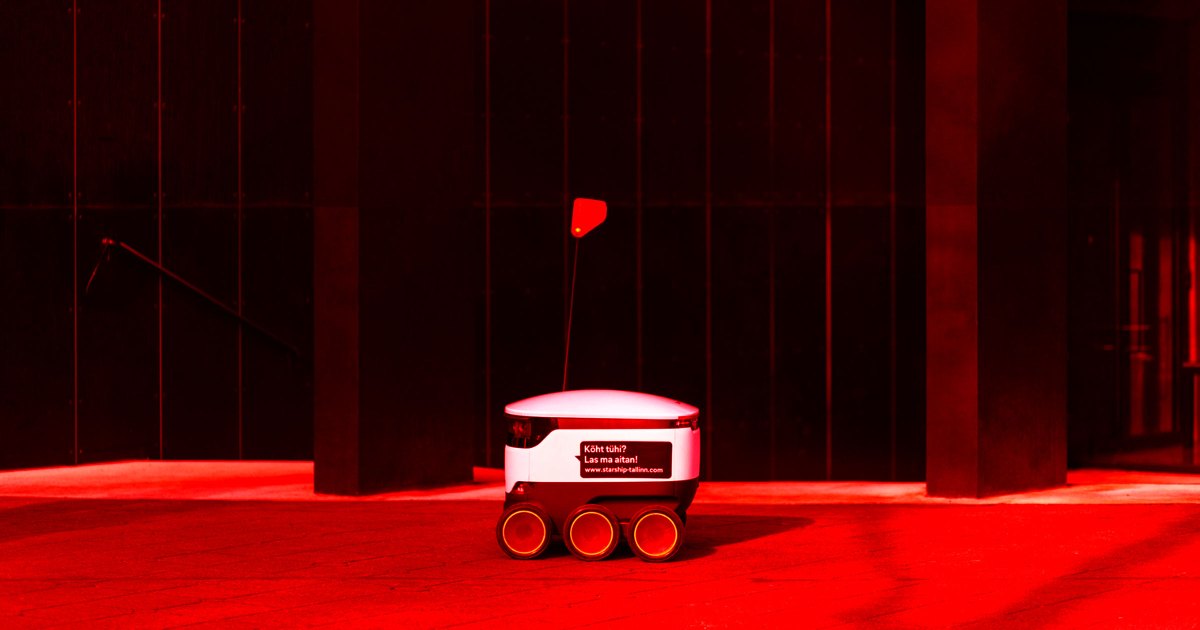
If a delivery robot can’t reliably distinguish traffic lights from advertising, it’s clearly not ready for public roads. Urban environments are unpredictable by nature, not exceptional circumstances. And a software failure could affect an entire fleet, not just one robot. Autonomous delivery may have real benefits, but public safety cannot become collateral damage in the race to automate everything.
Wheres the proof its not reliable? I think there’s about a hundred of them operating in the city since at least 2022 based on what I can see. So just based on the information here I’d have to assume each one causes an accident once every (100*365*(2026-2022)) = 146000 days which seems pretty okay to me, even if its a tenth of that.
There’s a substantial difference between mitigating for errors by human drivers and accepting a percentage of undesirable behaviour as part of a system run by logic.